Blueberry Cheesecake aux myrtilles

* Plus bas pour les francophones (recette crue et végétalienne)

These little sweet treats are RAW and VEGAN.

They have just the perfect balance of sweetness and tartness.

This recipe is made with…

For the crust:

  • 500ml of walnuts
  • 10-12 medjool dates
  • 30ml of coconut oil

For the filling:

  • 500ml of raw cashews, soaked overnight
  • 85ml of maple syrup
  • 65ml of coconut oil, melted
  • 30ml of lemon juice
  • 250ml of blueberries (or raspberries, strawberries)
  • 1ml of cinnamon, ground

For the crust:

Mix all the ingredients in a food processor.

Put in a pan of approximately 23cm x 23cm. Either put parchemin paper or use coconut oil to grease it.

Tap and pack down tightly. Set aside.

For the filling:

Put all ingredients in a food processor and mix until well combined.

Pour evenly over the crust.

Put in freezer to set.

When it is set, (take it out) and cut into squares. Either small bite size or dessert serving size, as you wish!

Keep in the freezer and take out 5 to 10min before serving.

If you make them, post your picture and comments below! I would love to see and read what you think about it!

In health,

Chantal


Ces petites bouchées sucrées sont CRUES et VÉGÉTALIENNES.

Entre le sucré et l’acidité, l’équilibre est juste parfait.

Cette recette est faite avec …

Pour la pâte:

  • 500ml de noix de Grenoble
  • 10-12 medjool dates
  • 30ml d’huile de coco

Pour le remplissage:

  • 500ml de noix de cajou crues, trempées toute une nuit
  • 85ml de sirop d’érable
  • 65 ml d’huile de coco, fondu
  • 30 ml de jus de citron
  • 250ml de myrtilles (ou framboises, fraises)
  • 1 ml de cannelle moulue

Pour la pâte:

Mélanger tous les ingrédients dans un robot culinaire.

Mettez dans un moule d’environ 23cm x 23cm. Soit mettre du papier parchemin ou utiliser de l’huile de coco pour le graisser.

Pressez fermement pour former une croute compacte. Mettre de côté.

Pour le remplissage:

Mettre tous les ingrédients dans un robot culinaire et mixer jusqu’à ce qu’ils soient bien mélangés.

Verser uniformément sur la croûte.

Mettre au congélateur.

Quand il est figé, (sortez-le) couper en carrés. Que ce soit en petite bouchée ou en portion, c’est comme vous le souhaitez!

Garder au congélateur et sortir 5 à 10min avant de servir.

Si vous faite cette recette, n’hésitez pas à mettre une photo et vos commentaires ici bas. J’aimerais savoir ce que vous en pensez!

Santé!

Chantal
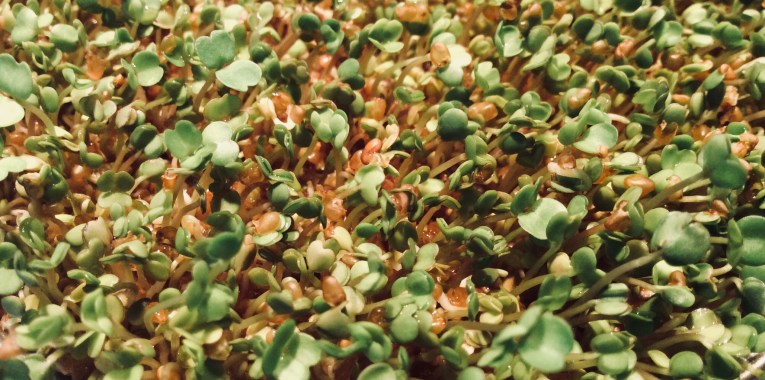
Sprouting / Germination

*Plus bas pour les francophones!

Sprouting is the process of seed germination. Usually to be eaten, cooked or not. Sprouted seeds are easier to digest and increases nutrients absorption and fiber content. Sprouting has been a common practice in places like Eastern Asia and Europe for thousands of years.

You can sprout grains, nuts, beans and seeds.

Look for the ones labeled “for sprouting”.

When ready, in a sprouting container, rinse seeds and add enough water to cover them.

Remove floating debris, especially possibly-contaminated fragments of the shells that may be floating around.

Let soak overnight or according to what you are sprouting. See soaking and sprouting guide below.

when soaking time is finished, throw away the soaking water. Rince thoroughly and drain. Leave on counter for the amount of time according to what you are sprouting. See guide below.

Once sprouted, you can store in fridge for a few days, up to a week.

THE SOAK & SPROUT GUIDE

NUTS

  • Almonds: needs 2-12 hours for soaking. Sprout for 2-3 days if truly raw. The length you choose depends on what you want to use them for; for example,  48 hours of soaking will allow the skins to fall off.
  • Walnuts: 4 hours soaking, do not sprout
  • Brazil Nuts: 3 hours soaking, do not sprout
  • Cashews: 2- 3 hours soaking, do not sprout
  • Hazelnuts: 8 hours soaking, do not sprout
  • Macadamias: 2 hours soaking, do not sprout
  • Pecans: 6 hours soaking, do not sprout
  • Pistachios: 8 hours soaking, do not sprout

BEANS & LEGUMES

  • Chickpeas: 8-12 hours soaking, 2-3 days for sprouting
  • Lentils: 8 hours soaking, 2-3 days for sprouting
  • Adzuki Beans: 8 hours soaking, 2-3 days for sprouting
  • Black Beans: 8-12 hours soaking, 3 days for sprouting
  • White beans: 8 hours soaking, 2-3 days for sprouting
  • Mung Beans: 24 hours soaking, 2-5 days for sprouting
  • Kidney Beans: 8-12 hours soaking, 5-7 days for sprouting
  • Navy Beans: 9-12 hours soaking, 2-3 days for sprouting
  • Peas: 9-12 hours soaking, 2-3 days for sprouting

GRAINS

  • Buckwheat Grains: 30 minutes-6 hours soaking (time varies), 2-3 days for sprouting
  • Amaranth Grains: 8 hours soaking, 1-3 days for sprouting
  • Kamut: 7 hours soaking, 2-3 days for sprouting
  • Millet: 8 hours soaking, 2-3 days for sprouting
  • Oat Groats: 6 hours soaking, 2-3 days for sprouting
  • Quinoa: 4 hours soaking, 1-3 days for sprouting
  • Wheat Berries: 7 hours soaking, 3-4 days for sprouting
  • Wild Rice: 9 hours soaking, 3-5 days for sprouting
  • Black Rice: 9 hours soaking, 3-5 days for sprouting

SEEDS

  • Radish Seeds: 8-12 hours soaking, 3-4 days for sprouting
  • Broccoli Seeds: 8-12 hours soaking, 3-4 days for sprouting
  • Beet Seeds: 12 hours soaking, 3-5 days for sprouting
  • Arugula Seeds: 12 hours soaking, 3-5 days for sprouting
  • Alfalfa Seeds: 12 hours soaking, 3-5 days for sprouting
  • Pumpkin Seeds: 8 hours soaking, 1-2 days for sprouting
  • Sesame Seeds: 8 hours soaking, 1-2 days for sprouting
  • Sunflower Seeds: 8 hours soaking, 2-3 days for sprouting

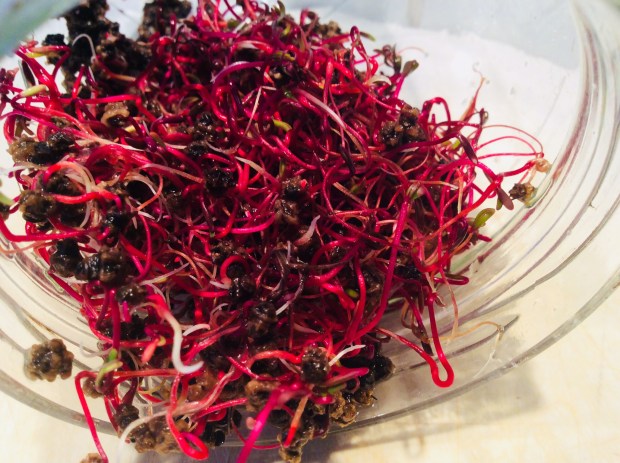
Beet sprout / Germes de betteraves

*C’est par ici en français…

La germination est le processus de faire germer des graines. Habituellement, elles sont mangées, cuites ou crues.

Les graines qui sont germées sont plus faciles à digérer et augmentent l’absorption des nutriments et la teneur en fibres.

La germination est une pratique courante dans des pays comme l’Asie de l’Est et l’Europe depuis des milliers d’années.

Vous pouvez faire germer des grains de céréales, des noix/oléagineux , des haricots/légumineuses et des graines.

Recherchez ceux qui sont étiquetés “pour germer”.

Une fois prêt, dans un récipient de germination, rincer les graines et ajouter assez d’eau pour les couvrir. Enlever les débris flottants, en particulier les fragments éventuellement contaminés des coquilles qui peuvent flotter.

Laisser tremper toute une nuit ou selon ce que vous êtes en train de germer. Voir le guide de trempage et de germination ci-dessous.

Quand le temps de trempage est terminé, jetez l’eau de trempage. Rincez bien et égouttez.

Laissez sur le comptoir pour le temps de germination qui est fonction de ce que vous êtes en train de germer. Voir le guide.

Une fois germé, vous pouvez stocker dans le réfrigérateur quelques jours, jusqu’à une semaine.

LE GUIDE DE TEMPS DE TREMPAGE ET DE GERMINATION

OLÉAGINEUX

  • Amandes: besoin de 2 à 12 heures pour tremper. Germination dure 2-3 jours si vraiment cru. Le temps de germination a dépend de comment vous voulez les utiliser; par exemple, 48 heures de trempage permettront aux peaux de tomber.
  • Cerneaux: 4 heures de trempage, pas de germination
  • Noix du Brésil: 3 heures de trempage, pas de germination
  • Noix de cajou: 2 à 3 heures de trempage, pas de germination
  • Noisettes: 8 heures de trempage, pas de germination
  • Macadamias: 2 heures de trempage, pas de germination
  • Noix de pecan: 6 heures de trempage, pas de germination
  • Pistaches: 8 heures de trempage, pas de germination

LÉGUMINEUSES

  • Pois chiches: 8-12 heures de trempage, 2-3 jours pour la germination
  • Lentilles: 8 heures de trempage, 2- 3 jours pour la germination
  • Haricots Adzuki: 8 heures de trempage, 2-3 jours pour la germination
  • Haricots noirs: 8-12 heures de trempage, 3 jours pour la germination
  • Haricots blancs: 8 heures de trempage, 2-3 jours pour la germination
  • Haricots mungo: 24 heures de trempage, 2-5 jours pour la germination
  • Haricots rouges: 8-12 heures de trempage, 5-7 jours pour la germination
  • Haricots Navy: 9-12 heures de trempage, 2-3 jours pour la germination
  • Pois: 9-12 heures de trempage , 2-3 jours pour la germination

GRAINS DE CÉRÉALES

  • Sarrasin: 30 minutes-6 heures de trempage (le temps varie), 2-3 jours pour la germination
  • Amarante: 8 heures de trempage, 1-3 jours pour la germination
  • Kamut: 7 heures de trempage, 2-3 jours pour la germination
  • Millet: 8 heures de trempage, 2-3 jours pour la germination
  • Avoine: 6 heures de trempage, 2-3 jours pour germer
  • Quinoa: 4 heures de trempage, 1-3 jours pour la germination
  • Blé: 7 heures de trempage, 3-4 jours pour la germination
  • Riz sauvage: 9 heures de trempage, 3-5 jours pour la germination
  • Riz noir: 9 heures de trempage , 3-5 jours pour la germination

GRAINES

  • Graines de radis: 8-12 heures de trempage, 3-4 jours pour la germination
  • Graines de brocoli: 8-12 heures de trempage, 3-4 jours pour la germination
  • Graines de betterave: 12 heures de trempage, 3-5 jours pour la germination
  • Graines de roquette: 12 heures de trempage, 3-5 jours pour la germination
  • Graines de luzerne: 12 heures de trempage, 3-5 jours pour la germination
  • Graines de citrouille: 8 heures de trempage, 1-2 jours pour la germination
  • Graines de sésame: 8 heures de trempage, 1-2 jours pour la germination
  • Graines de tournesol: 8 heures de trempage, 2-3 jours pour la germination

Keto lunch

*plus bas pour les francophones!

Having a keto lunch quite satisfying…

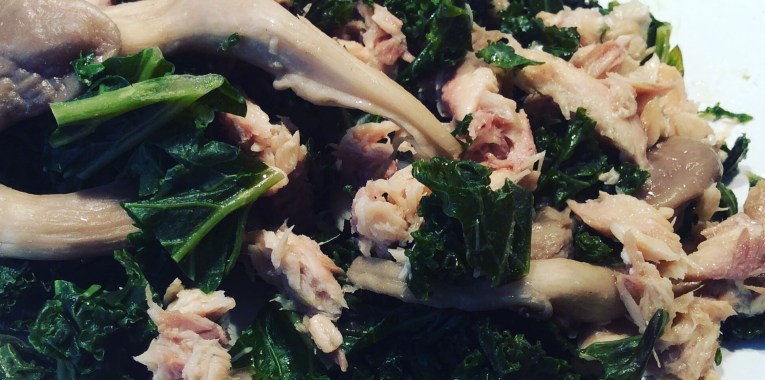
Sautéed kale and oyster mushrooms with coconut oil and garlic.

When cooked, top with a mackerel fish filet and enjoy 😉

Easy, simple, effective, satisfying, nutrients dense including healthy fats.

To make…

Bunch of chopped kale

Bunch of chopped oyster mushrooms

A clove of garlic, crushed

15ml of coconut oil

Salt and pepper to taste

Mackerel, cooked

In a pan, melt the coconut oil over medium heat. Sauté kale and mushrooms.

When cooked, set aside and add garlic, salt and pepper to taste. Mix.

In the same pan, cook the fish. If you want, use the filets from a can. Cut the filets in bite size and add them to the kale mix.

Plate and enjoy!


Lunch keto

Voici un lunch très satisfaisant…

Du chou kale ou frisé avec des pleurotes sautées à l’huile de coco avec de l’ail et du filet de maquereau.

Voici la recette…

Une poignée de chou kale hachée

Une poignée de pleurotes hachée

Une gousse d’ail pressée

15ml d’huile de coco

Sel et poivre au goût

Filets de maquereaux cuits

Dans une poêle, faire fondre l’huile sur feu moyen. Faire sauter le chou et les champignons.

Lorsque prêt, mettre de côté et y ajouter l’ail, le sel et le poivre. Mélanger.

Dans la même poêle, faire cuire le poisson. À moins d’utiliser des filets en boite.

Émiettez et ajouter au mix de chou-champignons.

Mettre dans une assiette et savourez!

In health,

Chantal

Apple Pie Bliss Ball

Apple pies are quite common and are a worldwide dessert. American, French, Dutch, English, Swedish, Polish. All have their version of apple pie.

Single or double crust, open face tatin, crispy crust or sponge cake, crumble, etc. Their are many different ways to make an apple pie. But they often contain wheat, shortening, sugar…. ingredients that I try to avoid. But, by putting alternative healthy ingredients together, in ball shape, we still have that comforting taste plus healthy benefits. We should call them “magical” Balls!

What are those healthy ingredients, you might ask?

They are: Almonds, almond butter, dried apples, optional maple syrup, cinnamon and salt

To make them you will need:

140g whole almonds

20g crispy dried apple

2g ground cinnamon

45ml maple syrup (or honey) “Optional”

45ml almond butter

5ml vanilla extract

pinch of salt

Place the ingredients into your processor and blend at high speed until the mixture resembles a sticky crumb.

Use your hands to firmly press and shape the mixture into balls.

Place the balls in the fridge to set.

Eat, enjoy!

What is your healthy version of apple pie? Let me know in the comments below!

In health,

Chantal

Lebanese leftover Bowl

I love using leftovers to make lunch. It creates beautiful, colourful and tasteful Bowls.

At our house, we love making Lebanese mezze from scratch. I try to make a little more so I can use leftovers to build Buddha bowls the following days. We usually make hummus, tabouleh, baba ghanouj, shanklish, foul m’damme, labneh or tzaziki, lamb and/or chicken brochette.

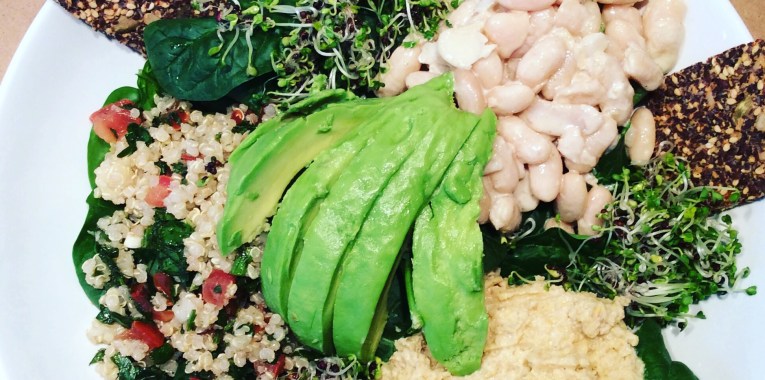
Here, in this leftover bowl, I had some tabouleh, hummous and foul.

I first put some fresh spinach and then added the three leftovers. Then added homemade broccoli sprouts, an avocado, slices of black radish and drizzled cold press olive oil. Accompanied by my flax and sesame seeds crackers.

Here are the recipes for those three leftovers I had.

To make tabouleh, you need

250ml dry quinoa

1 large bunch parsley chopped (remove long stems)

80ml mint leaves chopped

250ml of grape or cherry tomatoes cut in half (optional)

¼ of a yellow or white onion finely diced

1 garlic clove minced

15ml olive oil

juice of one lemon

salt and pepper to taste

Make quinoa according to package instructions

While quinoa is cooking prepare rest of the ingredients in a bowl

When quinoa is finished cooking combine all ingredients together and stir

To make hummous, you need

450g cooked Chickpeas

2 cloves garlic, minced

7ml salt

75ml freshly squeezed lemon juice

65ml water or better, aquafaba

85 ml tahini, stirred well

65 ml extra-virgin olive oil, plus extra for serving

Powdered sumac, optional

Place the chickpeas, garlic, and kosher salt in the bowl of a food processor. Process for 15 to 20 seconds. Stop, scrape down the sides of the bowl, and process for another 15 to 20 seconds. Add the lemon juice and water. Process for 20 seconds. Add the tahini. Process for 20 seconds, then scrape down the sides of the bowl. With the processor running, drizzle in the olive oil.

To serve, transfer the hummus to a bowl and drizzle with additional olive oil and sprinkle with sumac, to taste, if desired.

To make foul m’damme, you need

1 can of cooked beans/legumes (I like white beans)

1 onion

2 tomatoes

5ml salt

15ml of cumin powder

1/2 lemon

30ml of tahini (sesame purée)

30ml olive oil

Dice onion and tomatoes. Add salt, cumin, lemon juice, tahini over cooked and rinsed beans with tomatoes and onion. Mix all ingredients.

Serve in a bowl and drizzle extra olive oil.

Bon appétit!

Do you enjoy Lebanese food? Which ones?

In health,

Chantal

Raspberry Bliss Balls

Raspberries are Nature’s candy, don’t you think? Even if they are packed with vitamins, minerals and antioxidants, I want to eat each berry one by one just because they are that good.

They grow just about anywhere and I am pleased to find them in the park near our house. I should grow them myself since I love them that much… but haven’t had the courage to do so yet.

Each little bumps of these berries are screaming LOVE 💕 ROMANCE. Probably because of its colour RED. Red is associated with fire, passion, heart, love…

I should of called these bliss balls, “The Love Balls”. Tacky right?

So, you want to make pink red tasteful raspberry bliss balls?

Here it is :

100g cup frozen raspberries

10 medjool dates, seeds removed

175g raw cashews

5ml vanilla extract

pinch of salt

To assemble :

Place the ingredients into your food processor and pulse at high speed until the mixture is broken down, well combined and sticking together. Use your hands to shape the mixture into balls. Yes, it will be cold for your hands!

Either leave the balls as they are or roll in coconut or cacao or drizzle with melted dark chocolate. Place in the freezer to set.

Eat and enjoy!

In health and love,

Chantal

Chili Con Carne

This southern comfort stew is a staple in my kitchen.

I’m not like some aficionados and make it only with beaf and chili peppers.

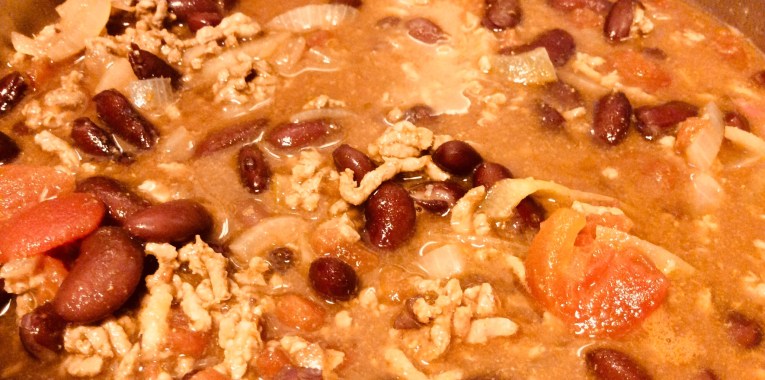
Yes, I like to add other ingredients. I like to add onions, tomatoes, red beans, garlic, and sometimes… chocolate.

I like to play with the spices too. My classic recipe is with chili powder and cumin.

I love it spicy as well as mild.

I come from a family who do not eat chili nor spicy 🌶 hot food. I was brought up in Quebec, Canada which is quite far from southern U.S. but somehow, a bowl of hot chili is “comfort food ” for me.

Here is my basic recipe (from which I sometimes become creative and add stuff!)

The ingredients:

500g to 1kg ground grass-fed beef

2 onions, chopped

2 garlic cloves, minced

1 medium jalapeno chili, ribs and seeds removed, minced

7ml chili powder

10ml ground cumin

1-400ml can crushed tomatoes

400g cooked red kidney beans, drained and rinsed

This is how to prepare it:

Heat a heavy pot. Add the onions and cook about 5 minutes. Add the ground beef. Cook, stirring and breaking up meat, until browned.

Add the garlic and jalapeno. Stir in the chili powder and cumin. Continue to cook until fragrant, about 1 minute.

Stir in the crushed tomatoes. Simmer for about 30 minutes.

Add the beans and continue cooking, uncovered, until meat and beans are very tender, and chili is thick, about 30 minutes more. Serve in small bowls.

Do you like Chili? How do you like it? Please, let me know!

In health,

Chantal